
What a 1943 Steel Penny Without Mint Mark Is Really Worth
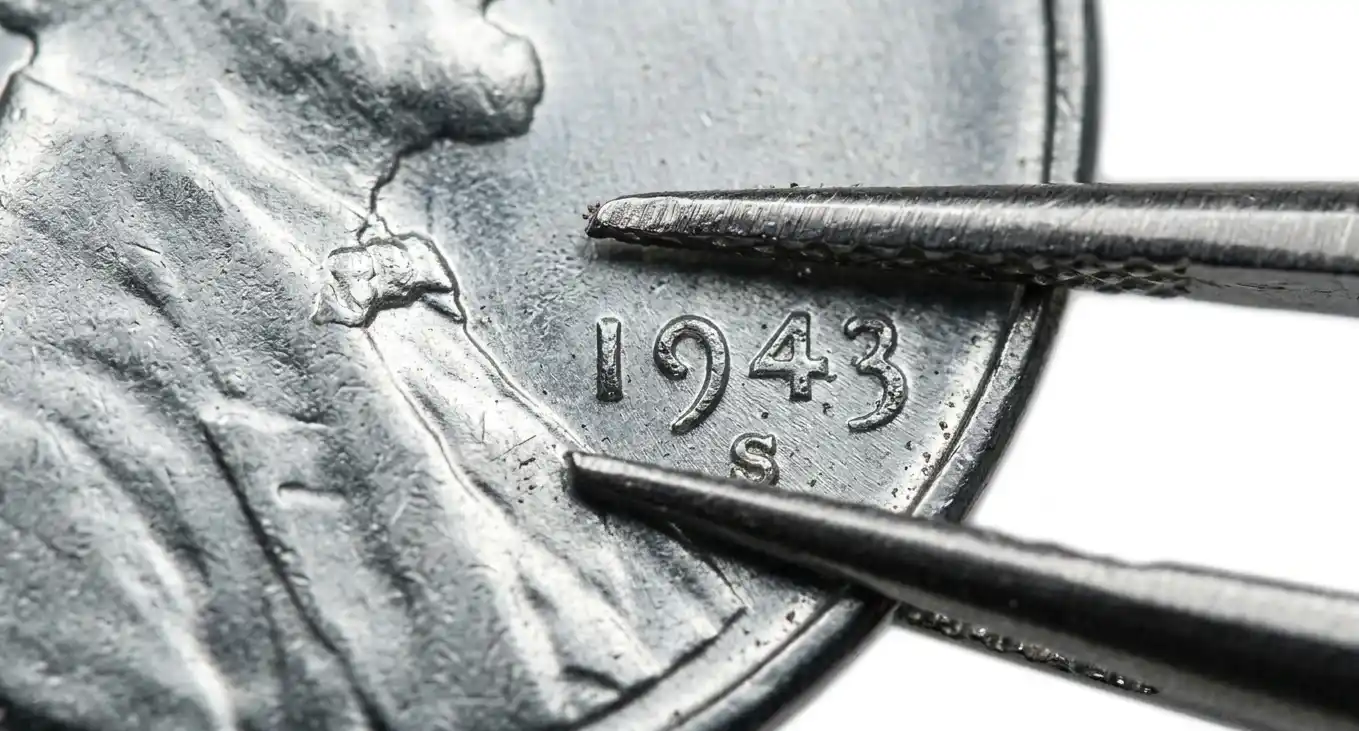
Condition quietly outweighs assumption.
Analyzing the 1943 steel penny value no mint mark factors of this coin requires looking into historical data and wartime technical regulations.
Steel cents dated 1943 appeared because of a shortage of strategic raw materials.
The US Mint temporarily stopped using the traditional bronze alloy for defense industry needs.
Origin and Production Standards
Lacking a mint mark indicates production in Philadelphia.
This facility traditionally avoided marking its products with letters during that period.
Using Steel with a Zinc coating allowed the government to release significant amounts of metal for ammunition.
Striking on Steel blanks required increased pressure from the presses.
This led to rapid wear on the working dies.
Feature | Specification |
Denomination | 1 US Cent |
Year of Issue | 1943 |
Mint Location | Philadelphia |
Primary Metal | Steel |
Coating | Zinc |
Weight | 2.702 grams |
Diameter | 19.05 mm |
Edge Type | Plain |
Steel cents weigh significantly less than bronze cents.
Bronze specimens weigh 3.11 grams.
→ Use a free coin value checker app → Confirm Steel base → Rule out fakes
Market Value Analysis by Preservation Grade
Prices in 2026 demonstrate a heavy reliance on surface quality.
Professional experts identify several key categories of condition.
Circulated: coins showing wear and darkening of the Zinc layer
About Uncirculated: minimal rubbing on the high points of Lincoln’s portrait
Mint State: no traces of circulation, retaining original luster
Gem Uncirculated: perfect condition without visible flaws under magnification
Grade | Label | 2020 Price | 2026 Price | Change |
Average Circulated | VF | $0.15 | $0.25 | +66% |
About Uncirculated | AU58 | $2.50 | $4.25 | +70% |
Mint State | MS63 | $12.00 | $20.00 | +66% |
Gem Mint State | MS67 | $180.00 | $285.00 | +58% |
Superb Gem | MS68 | $2,500.00 | $4,100.00 | +64% |
Annual value growth for common specimens stays around 8–10%.
Rare grades show higher volatility depending on the appearance of new lots.
Reasons for Value Loss Due to Improper Storage
Steel suffers from aggressive environmental exposure.
Zinc protects the core only until the coating remains unbroken.
Oxidation: appearance of a grey film hiding design details
Rust: moisture penetrating through micro-cracks to the Steel core
Reprocessing: artificial application of a new Zinc layer to mimic luster
Restored coins lose their numismatic value.
Professional dealers easily identify replated pieces by the absence of natural patina.
Such coins rarely exceed $0.60 even with an intense shine.
Auction Records and Unique Anomalies
Auction statistics record rare cases of coins selling at extremely high prices.
This applies to specimens with exceptional detailing.
MS68+ (PCGS): sold for $12,650 in 2013
MS68 (NGC): regular sales ranging from $3,200 to $4,800
Mint Errors: doubled dies or off-center strikes increase the price 50 times over the base
Remembering the absence of a mint mark as a standard for Philadelphia is vital.
The presence of a "D" or "S" makes the coin a product of Denver or San Francisco.
Philadelphia's mintage reached 684,628,670 pieces.
This was the highest figure among all three mints in 1943.
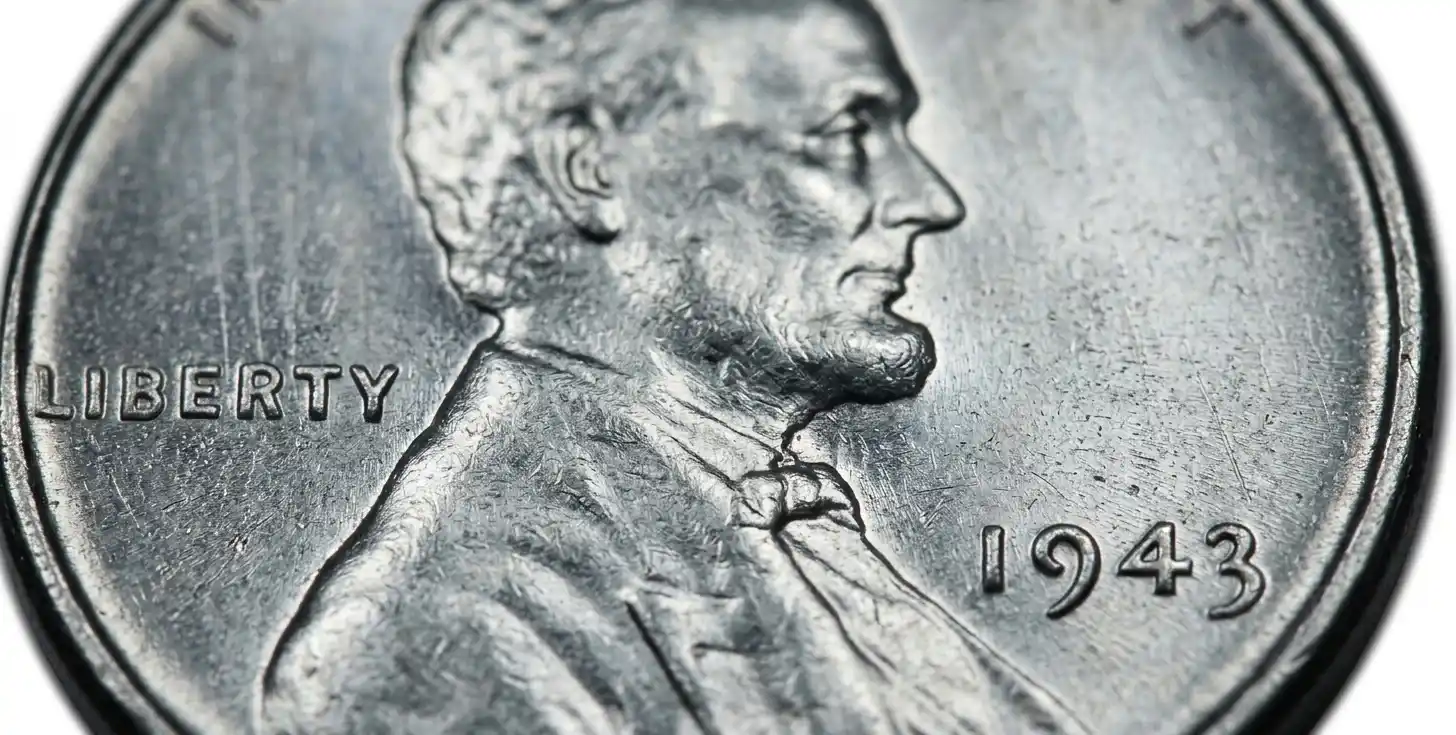
Comparison of Mintage and Availability
Mass production ensures high availability for beginning collectors.
Finding such a cent in old accumulations presents little difficulty.
1943 Mintage Distribution: Philadelphia (No Mark) → 684.6 million Denver (D) → 217.6 million San Francisco (S) → 191.5 million
High survival rates prevent sudden price jumps for average specimens.
Primary value remains concentrated in the top 0.1% of the surviving population.
Grading Influence on Liquidity
Selling a coin without certification often results in a 30–50% discount.
Buyers prefer airtight capsules with a verified number in a database.
Professional Evaluation: eliminates disputes over surface condition
Protection: plastic containers prevent metal corrosion
Liquidity: certified coins find buyers faster on online platforms
The cost of grading procedures starts around $35.00.
Sending a coin for evaluation makes sense only for expected grades above MS66.
For common circulated coins, shipping costs exceed the market value of the asset.
Mistaken Perceptions of Value
Many people mistakenly take a common Steel cent for a rare Bronze version.
Bronze cents dated 1943 represent some of the most valuable errors in US history.
Rare 1943 Bronze Cent Criteria:
Metal: Bronze
Weight: 3.11 grams
Magnetism: Does not stick to magnets
Value: $120,000 to $1,800,000
Steel cents without a mint mark stick to any magnet.
This provides the easiest and most reliable testing method like using the best coin value app.
Attempts to pass off a Steel coin as Bronze through plating are easily uncovered by weighing.
Investment Potential for the Decade
Price change forecasts rely on analyzing historical data over 20 years.
Interest in World War II era coins stays stable.
Growth in demand for wartime sets: 5% yearly
Shrinking numbers of MS68 graded coins: 1–2% yearly due to holder damage
Inflationary pressure: annual adjustments of nominal prices
Investing in low-quality coins lacks logic.
Such assets do not grow in price faster than inflation levels.
Focusing on specimens with "Full Satiny Luster" brings returns above the market average.
Storage and Degradation Prevention
Owners of Steel coins must follow strict conservation rules.
The metal reacts quickly with sulfur compounds in the air.
Humidity: must be maintained below 40%
Packaging: use of acid-free holders or inert plastic capsules
Temperature: avoid sharp changes causing moisture condensation
Damaging the protective Zinc layer starts an irreversible process of Steel destruction.
Cleaning coins with chemicals is forbidden.
Aggressive solutions remove the Zinc micro-layer, exposing dark Steel.
Such interference is classified by experts as "Details Grading," dropping the price by 70%.